Application review
Basf reviews temperature range, chemical exposure, flexibility, abrasion, sterilization, food contact, outdoor weathering, and expected service life. The result is a usable shortlist rather than an overwhelming catalog dump.
Basf supports B2B teams when a resin, elastomer, film, or polyurethane system must satisfy technical, purchasing, and compliance requirements at the same time. The service path is designed for teams that already know the application pressure but need a calmer way to narrow options. Buyers can bring a rough specification, a failed incumbent grade, a sustainability target, or a prototype drawing. Basf then helps translate that context into material families, likely document needs, sample questions, and processing checkpoints. The aim is to reduce surprises before tooling, validation, or commercial launch absorbs budget.
Basf reviews temperature range, chemical exposure, flexibility, abrasion, sterilization, food contact, outdoor weathering, and expected service life. The result is a usable shortlist rather than an overwhelming catalog dump.
Engineering language is aligned with purchasing terms: hardness, MFI, tensile targets, color tolerance, packaging format, minimum order expectations, and regional supply constraints are converted into a request Basf can evaluate.
Before samples ship, teams identify which statements matter: REACH, RoHS, FDA 21 CFR, ISO 10993, USP Class VI, ISO 9001, IATF-related records, SDS, TDS, and customer-specific declarations.
Injection molding, extrusion, film conversion, adhesive lamination, casting, compounding, or rubber fabrication each changes the grade choice. Basf keeps drying, melt handling, tooling, shrinkage, and bonding in the discussion.
The most useful service outcome is not a polished sales answer. It is a decision trail that shows why one material family is promising, why another one may create validation risk, and which assumptions still need testing. For example, a flexible packaging project may look like a simple film substitution until heat seal range, barrier retention, recyclability claims, and converter equipment limits are checked together. A TPU part may look mechanically strong but fail the business case if drying control, color stability, or overmolding compatibility is ignored. Basf encourages teams to make those questions explicit while there is still time to change course.
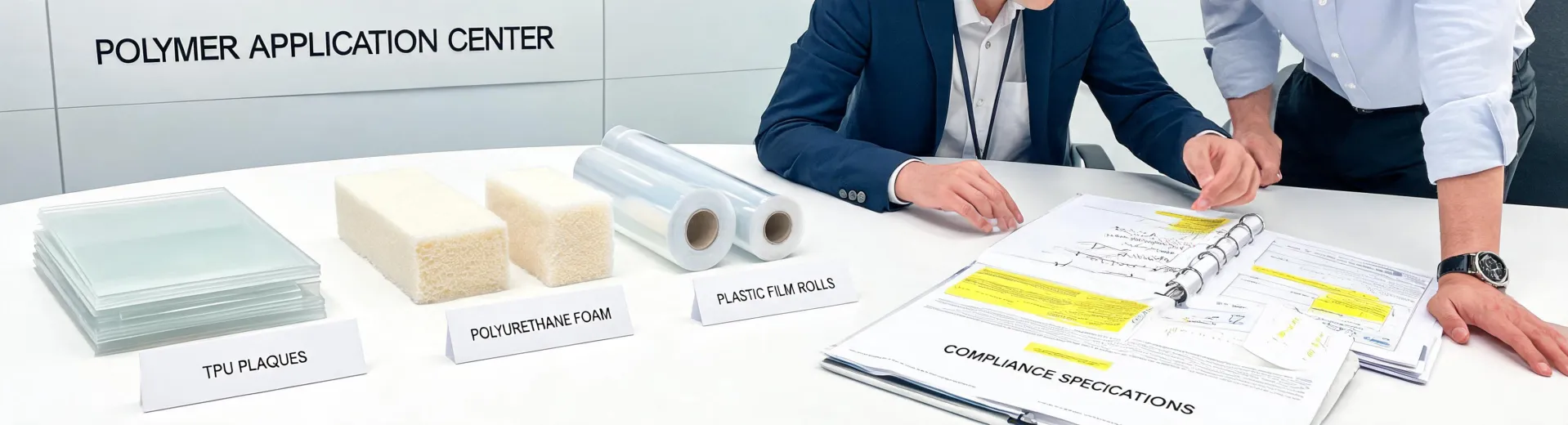
Share the application, current problem, target market, and document expectations so Basf can respond with a practical service path.
Request service support